The Federal Ministry for the Environment has presented a draft proposal for the further development of the Natural Climate Protection Action Programme (ANK). The bdla supports the continuation and further development of the programme in principle and has submitted a brief comment to the Ministry.
The ANK, adopted by the Federal Government in 2023, combines climate and nature conservation and aims to protect, restore and make ecosystems more resilient. The programme comprises measures across ten areas of action – ranging from moors, forests and soils, through the natural water cycle, to urban and transport areas. The planned further development is intended to consolidate and refine the existing approaches and supplement them with additional measures.
Given the short consultation period for the draft, the association has focused its feedback on specific technical comments relating to individual subject areas.
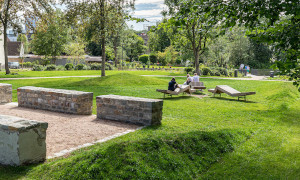
Of particular relevance to the bdla is the area of urban and transport land use. The draft provides for the continuation and expansion of existing funding guidelines in this area and sets out funding targets up to 2045. These include the creation and enhancement of 100,000 hectares of species-rich green spaces, 300,000 additional urban trees and a total of 400 hectares of land returned to natural use. The bdla regards the further strengthening of natural climate protection in built-up areas as an important signal; however, it recommends that the level of ambition of the stated targets be reviewed once again and that, in addition to land-sealing removal, the reduction and prevention of further land-sealing be formulated as a target. Local authorities have a key role to play in ensuring successful implementation: towns and municipalities should receive greater support in planning and implementation; long-term maintenance and upkeep should continue to be taken into account in funding; and existing instruments for landscape and open-space planning should be strengthened.
There are also plans to further develop accounting methods for built-up and transport areas. The rationale for this is that the climate protection effects of the measures implemented in these areas cannot be adequately reflected in the emissions balance of the land-use sector using current methods. From the bdla’s perspective, the intended improvement makes sense. However, the assessment of green and open spaces should not be narrowed down to their measurable CO₂ impact. Their diverse benefits – particularly for climate adaptation, biodiversity, the water cycle, health, social inclusion and environmental justice – should also be given due consideration in the design and funding of measures.
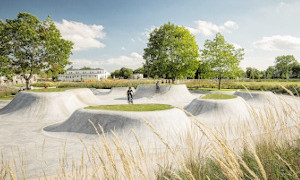
Another area of relevance to the bdla is the strengthening of a near-natural and resilient landscape water cycle. To this end, the draft provides, amongst other things, for regional blueprints and implementation strategies, and addresses water retention across the landscape through the concept of the ‘sponge landscape’. The bdla recommends pursuing these measures on a large scale, integrating the rural countryside, forests and water bodies more closely, and thereby utilising synergies in managing floods, heavy rainfall and drought.
The bdla will continue to provide expert support for the further development of ANK 2.0 and the implementation of measures relevant to landscape architecture.
- Latitude: 0
- Longitude: 0