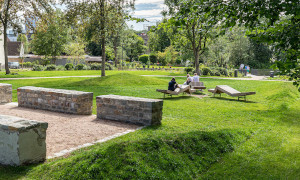
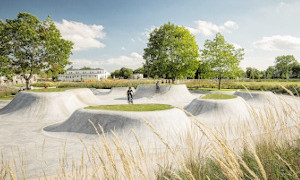
Landscape architecture – like many other professions – faces a shortage of new talent. Whilst the demand for qualified planners is growing, the number of bachelor’s degree graduates in landscape architecture has been stagnating at around 600 per year for years. In view of climate adaptation, growing planning needs and an impending wave of retirements, this is clearly far too few. The profession needs at least twice as many graduates as it has today.
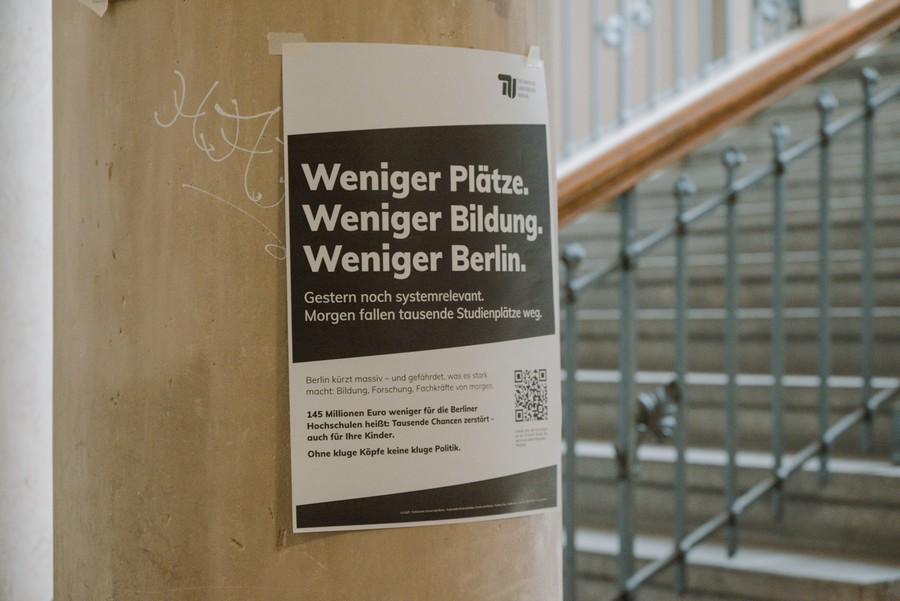
The bdla is therefore exploring new approaches to promoting the next generation of professionals. Alongside its efforts to preserve existing study locations – currently, in particular, at TU Berlin – new concepts are emerging: collaborations with neighbouring disciplines, dual degree programmes with local authorities and closer engagement with students are intended to raise the profile of the profession.
After all, many aspiring landscape architects only discover the discipline by chance. But those who do decide to pursue it particularly value the combination of creativity, natural sciences and technology, as well as the opportunity to design places that are sustainable and climate-resilient. Meaningful work, engaging with living systems and interdisciplinary thinking make the profession a calling for many.
We must highlight the importance of landscape architecture as a key discipline in transformation, strengthen alliances and actively engage in education policy processes. Let’s take action!
Timo Herrmann
Vice-President of the bdla
Landscape architecture is a political design discipline. It is systemically relevant, and those who study landscape architecture are choosing one of the most versatile and effective design professions of our time. Through new initiatives such as the first University Day for Landscape Architecture on 24 April 2026 in Berlin and ongoing dialogue with LASKO, the bdla aims to reach out to and support the next generation in a targeted manner.
The message is clear: anyone who wants to make our cities and landscapes fit for the future needs one thing above all else – more young people entering the field of landscape architecture. Find out more about how this can be achieved in issue 2/2026 of “landschaftsarchitekt:innen”.
Further information on the topic
- Latitude: 0
- Longitude: 0